“The only thing necessary for the triumph of evil is for good men to do nothing.” — Edmund Burke

A Tweet Too Far
At 12:24 AM on June 22, 2025, conservative pundit Charlie Kirk posted a tweet to his 2+ million followers that read like a siren warning of imminent war: “Stay armed. Stay vigilant. We have no idea how many sleeper cells are inside the United States. It’s an unforgiveable weakness Biden left this country with. Stay alert. Pray.”
The tweet, viewed over two million times in a matter of hours, invokes language not only of paranoia but of preparation—for violence. It fuses a baseless, unverified national security claim with religious zeal and a call to arms, cloaked in the false patriotism of self-defense. This is not free speech. This is stochastic terrorism in plain text. And America, particularly its religious leaders, must say so, publicly and clearly.
There is absolutely no reason Charlie Kirk should have a platform on any major social media site if we are to take seriously the rules, norms, and basic civic integrity of American democracy. His comments aren’t protected discourse—they’re an incitement. They echo the same dangerous paranoia that has historically fueled domestic terrorism. And when that incitement is sprinkled with religious overtones—“pray,” “stay vigilant,” “sleeper cells”—the message morphs from political opinion into messianic war cry.
A Pattern of Paranoia: Dangerous Rhetoric in a Volatile Era
Charlie Kirk has a long, documented history of stoking fear among his followers. But this tweet crosses a line that society, especially faith leaders and those who manage digital platforms, must recognize: the invocation of sleeper cells without evidence is not commentary—it is the pretext for vigilante justice and racialized violence.
When leaders with large followings encourage Americans to “stay armed” and “pray,” while warning of unseen enemies “inside the United States,” it’s not hard to see who becomes the target. Historically, these warnings have often been directed at Muslim Americans, immigrants, African Americans, and other marginalized groups—people long treated as outsiders within their own nation.
The tweet echoes the language used before tragedies such as the 2012 Sikh Temple shooting in Wisconsin, the 2019 El Paso Walmart massacre, or the Charleston church massacre in 2015. In each case, the attacker was radicalized by white nationalist ideology fueled by fear of the “other.” Kirk’s rhetoric provides the theological and patriotic cover for such violence to happen again.
Where Are the Religious Leaders?
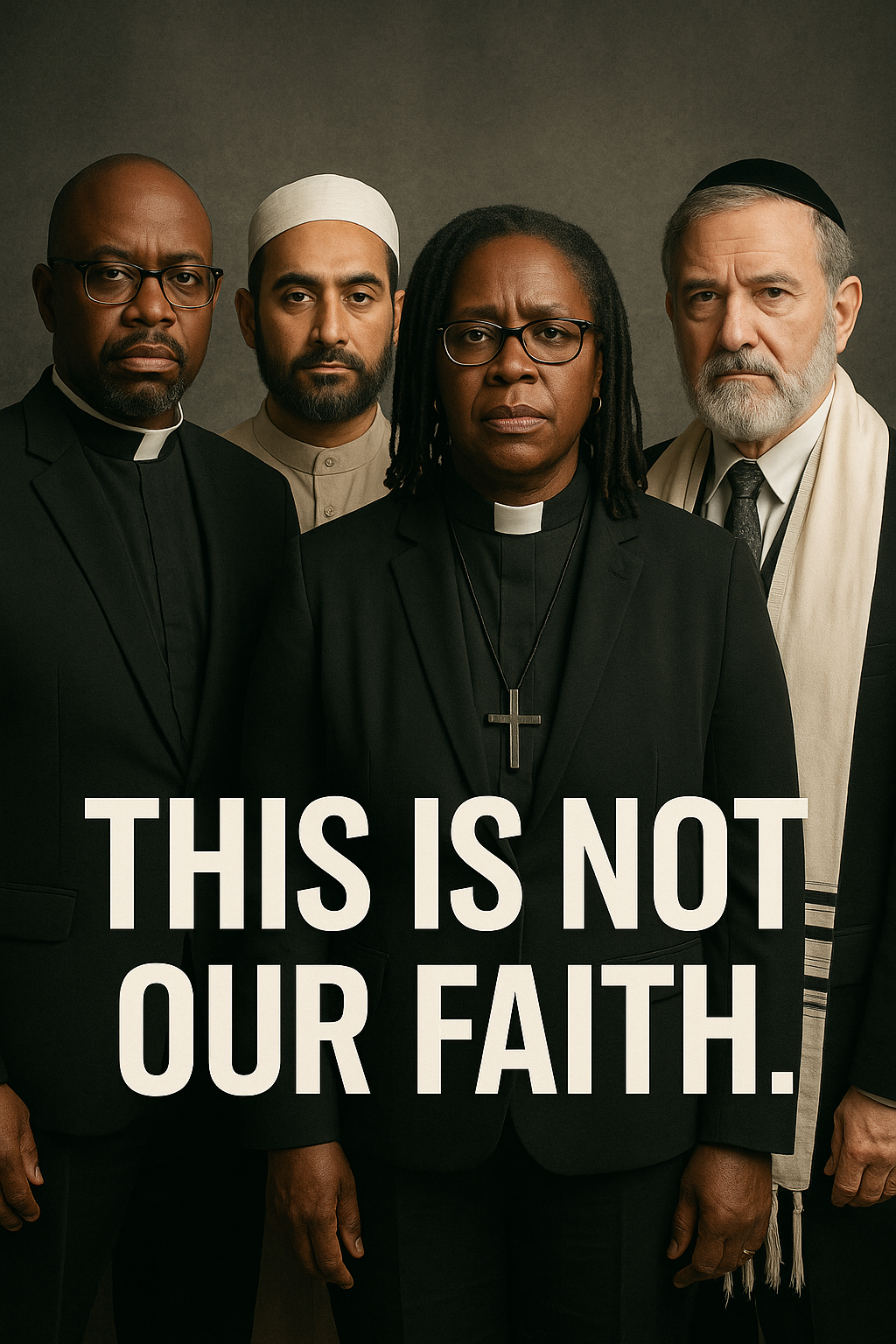
What is perhaps most disturbing about Kirk’s tweet is its appeal to religion. By ending with “Pray,” Kirk is attempting to sacralize the threat he imagines and validate armed paranoia as a form of spiritual duty. This fusion of religion and violence is textbook Christian nationalism—a theology that distorts the gospel into a justification for state-sanctioned or citizen-led vigilantism.
In this moment, Christian leaders in America—especially evangelicals, but also Black church leaders, Catholics, and interfaith coalitions—have a moral obligation to publicly denounce Kirk’s statements. Silence is complicity. If churches, temples, synagogues, and mosques fail to confront religious manipulation in public life, they risk not only their own integrity but their congregations’ safety.
This is the same energy that pushed people to carry “Jesus Saves” signs while storming the Capitol on January 6. When spiritual language is paired with the suggestion of political enemies and armed response, it ceases to be religious. It becomes theocratic propaganda.
The Cost of Platforming Extremism
Social media companies like X (formerly Twitter) have rules that supposedly forbid incitement of violence, the spreading of disinformation, and hate speech. And yet, Kirk’s post—which implies imminent threat, calls for widespread arming of civilians, and invokes spiritual authority—remains untouched.
Would an Imam posting a similar tweet—warning followers to “stay armed” and “pray” against sleeper cells—be allowed to remain online? Would a Black liberation theologian urging their congregation to “stay alert” against the state be given the same grace?
The selective enforcement of platform guidelines reveals a deeper bias. White conservative voices are allowed to project fear, aggression, and religious war-making without consequence. Meanwhile, voices of color or dissent are met with swift suspension, deplatforming, or worse—surveillance.
Allowing Kirk to continue operating without censure sends a chilling message: America is fine with domestic incitement—as long as it comes from the right wing and carries a Bible.
The Echo Chamber of Right-Wing Radicalization
The danger here is not just the tweet itself—it’s the ecosystem it thrives in. Kirk’s post will be amplified across right-wing networks, fringe media, YouTube channels, and forums. It will be dissected and re-posted until it becomes part of the collective narrative of “patriotism.” When a narrative like this gains traction, it breeds two things: fear and the belief that violence is not only justifiable but righteous.
This is the ecosystem that led to January 6. This is the environment in which people feel justified attacking synagogues, storming libraries over LGBTQ+ books, and threatening election workers. And this is the exact sort of incitement that tech platforms and religious leaders must shut down—not with vague statements, but with policy enforcement and public rebuke.
What Should Be Done: Policy and Pastoral Action
- Social Media Accountability: Platforms like X must suspend Kirk’s account pending investigation into whether his tweet violates community safety policies. “Stay armed” in reference to hidden enemies is not commentary—it’s incitement.
- Religious Rebuke: National councils of churches, major evangelical pastors, and interfaith coalitions should issue statements condemning the abuse of prayer as a weapon of fear. Statements should be unequivocal: faith is not a justification for violence.
- Civil Society Pressure: Advertisers and donors to organizations associated with Kirk should be pressured to withdraw support. When you fund voices like this, you fund the risk that someone will interpret it as a call to act.
- Legislative Oversight: Congressional hearings on domestic extremism should include analysis of social media posts by influencers like Kirk and the role of disinformation in inciting public paranoia.
Why Black Institutions Should Speak Up
Historically Black churches, HBCUs, civil rights organizations, and Black media must recognize the threat in Kirk’s rhetoric. When America descends into these cycles of paranoid nationalism, African Americans are rarely spared. From COINTELPRO to Charlottesville, the backlash always finds us.
It’s not enough to focus on voter registration and economic justice if we allow people with platforms to stoke the kind of white nationalism that threatens both. Black America must demand that this country holds everyone accountable—not just when the threat comes from outside, but when it arises from within its own pulpits, pundits, and platforms.
This Is How Democracies Die
The warning signs are not subtle. When public figures call for vigilance, arming, and spiritual readiness against internal enemies, they are laying the foundation for vigilante action. When social media companies permit it and religious leaders ignore it, the path to violence is cleared and blessed.
Charlie Kirk is not just irresponsible. He is dangerous. His platform, if left unchecked, will become a pulpit for civil war cosplay and real-world bloodshed. If we want to preserve this democracy—and protect the diverse body politic that actually makes it worth saving—then we must say clearly:
This is not free speech.
This is not faith.
This is fire in a crowded theater.
And it must be stopped.
Disclaimer: This article was assisted by ChatGPT.
 hbcupolitics